
Introduction
Education is the foundation of progress for any country. It shapes the minds of young citizens and equips them with the skills to build a better future. In India, both state and central educational bodies work together to ensure quality learning and effective policy implementation. One such prominent authority is the Maharashtra State Board of Secondary and Higher Secondary Education, which manages school education across the state of Maharashtra. On a national level, the Education Minister of India plays a crucial role in creating and guiding educational reforms for the entire nation. Together, these two entities contribute significantly to the overall growth and development of the Indian education system.
Overview of the Maharashtra State Board of Secondary and Higher Secondary Education
The Maharashtra State Board of Secondary and Higher Secondary Education (MSBSHSE) is one of the largest and most respected educational boards in India. Established under the Maharashtra Secondary Boards Act of 1965, it operates from its headquarters in Pune. The board is responsible for managing and conducting the Secondary School Certificate (SSC) and Higher Secondary Certificate (HSC) examinations, which mark important stages in a student’s academic journey.
Every year, millions of students appear for exams conducted by the Maharashtra State Board of Secondary and Higher Secondary Education, making it a key pillar of the Indian education system. The board ensures that education in Maharashtra remains fair, inclusive, and up-to-date with modern learning methods.
Its responsibilities include designing the curriculum, publishing textbooks, setting examination papers, evaluating answer sheets, and declaring results. It also provides training and guidance to teachers to maintain uniform teaching standards across schools.
Divisional Boards and Administration
The Maharashtra State Board of Secondary and Higher Secondary Education manages education through nine regional divisions located in Pune, Mumbai, Nagpur, Nashik, Aurangabad, Kolhapur, Amravati, Latur, and Konkan. Each divisional office oversees school registrations, exam administration, and certification for its region.
This decentralized structure allows the board to maintain smooth operations and efficient communication with schools. It ensures that even students from rural and remote areas get access to the same quality education as those in urban centers.
In addition, the board has introduced several digital initiatives, including online exam registration, hall ticket generation, and result checking. These steps have made the process faster, more transparent, and accessible to everyone.
Educational Objectives and Reforms
The main goal of the Maharashtra State Board of Secondary and Higher Secondary Education is to create a balanced education system that promotes academic excellence and moral values. The board continuously updates its syllabus to meet the changing demands of society, technology, and industry.
Subjects such as environmental studies, computer education, and vocational training have been included to help students develop practical skills alongside academic knowledge. Furthermore, the board promotes extracurricular activities, sports, and cultural programs to encourage holistic development.
The Maharashtra State Board of Secondary and Higher Secondary Education also collaborates with the central government’s initiatives to improve digital literacy and introduce e-learning materials in classrooms.
Role and Responsibilities of the Education Minister of India
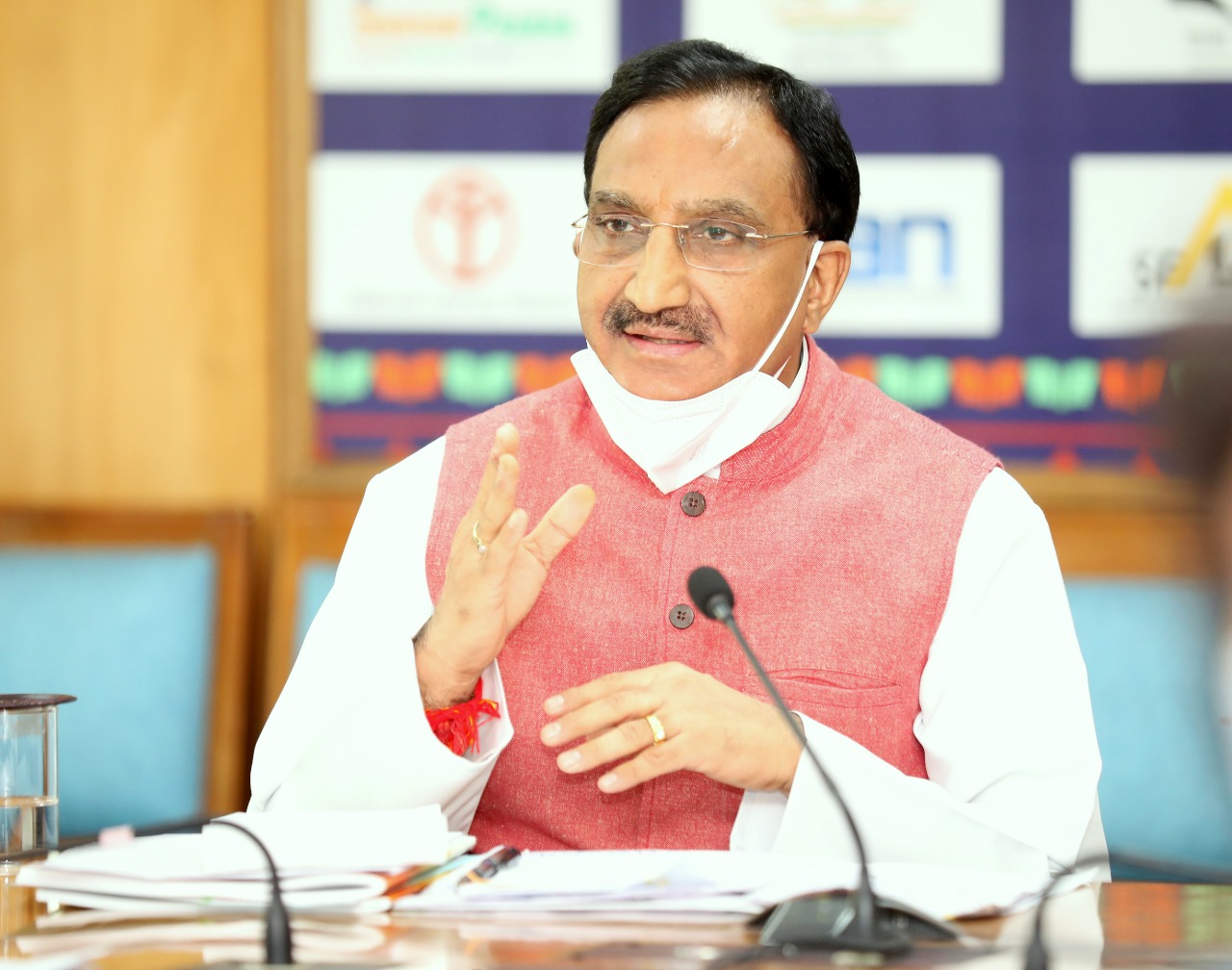
The Education Minister of India is one of the most influential figures in shaping the country’s educational framework. The minister is responsible for overseeing both school education and higher education through the Ministry of Education. This position involves policy formulation, implementation of educational reforms, and coordination with various state boards, universities, and institutions.
The Education Minister of India ensures that national policies promote inclusivity, innovation, and modernization. The introduction of the National Education Policy (NEP) 2020 under the guidance of the Education Minister marked a historic shift toward a more flexible and student-centered learning approach. The NEP focuses on vocational training, multidisciplinary studies, and reducing the pressure of rote learning.
Moreover, the Education Minister of India works closely with state boards, including the Maharashtra State Board of Secondary and Higher Secondary Education, to standardize educational practices and bring all regions to a common level of quality and excellence.
Coordination Between State Board and Central Government
The relationship between the Maharashtra State Board of Secondary and Higher Secondary Education and the Education Minister of India represents a cooperative model where state-level and national-level efforts align for the same goal — providing quality education to every child in India.
While the state board focuses on implementing education within Maharashtra, the Education Minister ensures that national schemes like Digital India, Skill India, and Samagra Shiksha Abhiyan reach all corners of the country. Together, these initiatives promote digital learning, teacher training, and skill-based education that prepare students for global challenges.
Future of Education in Maharashtra and India
Both the Maharashtra State Board of Secondary and Higher Secondary Education and the Education Minister of India are driving significant changes in the education sector. With the increasing use of technology, online classes, and smart classrooms, learning is becoming more interactive and accessible.
The focus is shifting from memorization to skill development, creativity, and problem-solving. The board’s commitment to continuous improvement and the minister’s vision for a modern, inclusive education system together form a strong foundation for India’s future generations.
Conclusion
In conclusion, the Maharashtra State Board of Secondary and Higher Secondary Education plays a vital role in providing structured and equitable education in Maharashtra, while the Education Minister of India ensures that the entire nation follows a progressive and unified path toward educational excellence. Their combined efforts ensure that every student in India gets the opportunity to learn, grow, and contribute to the country’s development. Education is not just about passing exams; it is about shaping a brighter, more capable, and empowered society — a mission that both the board and the ministry continue to pursue with dedication.